Chapter 54 Earthing and Bonding: Exam Questions and Answers Explained
Master Chapter 54 for the 18th Edition exam — Tables 54.1, 54.7 and 54.8, the adiabatic equation, and supplementary bonding sizes, with worked answers.
Read more →Expert tips, study strategies, and insights to help you prepare for the IET Wiring Regulations exam.
Master Chapter 54 for the 18th Edition exam — Tables 54.1, 54.7 and 54.8, the adiabatic equation, and supplementary bonding sizes, with worked answers.
Read more →Master cable sizing with the six-step method: design current, device rating, rating factors, tabulated capacity, voltage drop and the final check.
Read more →The ten BS 7671 tables that appear in almost every 18th Edition exam — Zs limits, k values, CPC sizing, insulation resistance — with worked examples.
Read more →TN-C-S earthing explained for UK installations: PME, the PEN conductor, typical Ze, identification, bonding, open-PEN risks, and BS 7671 checks.
Read more →TN-S earthing explained for UK installations: the separate neutral and earth path, cable-sheath earth, typical Ze, identification, testing, and comparison.
Read more →TT earthing explained for UK installations: earth electrodes, RCD fault protection, RA × IΔn, resistance values, testing, and comparison with TN systems.
Read more →There are no maximum Zs tables for TT systems in BS 7671 — here's how to derive an acceptable R1+R2 figure from the TN-C-S tables and verify your own wiring.
Read more →How to use the On-Site Guide tables to pick cable sizes, protective devices, installation methods, and maximum circuit lengths for standard final circuits.
Read more →How to use the appendices of BS 7671 in the 18th Edition exam — the contents page shortcut, Appendix 1 to 4 explained, and worked exam questions.
Read more →A worked guide to BS 7671 installation reference methods and current-carrying capacity tables — how heat dissipation drives cable sizing for the exam.
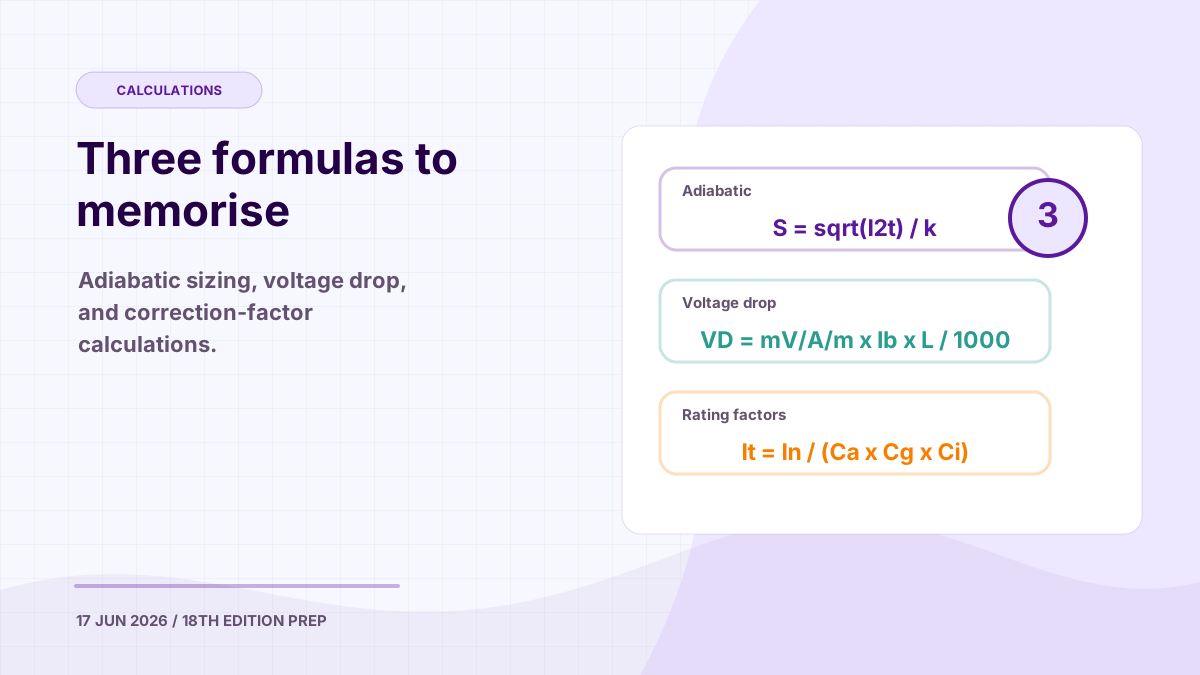
Read more →Master three key City & Guilds 2382-26 calculations: the adiabatic equation, voltage drop, and cable rating factors, with worked examples.
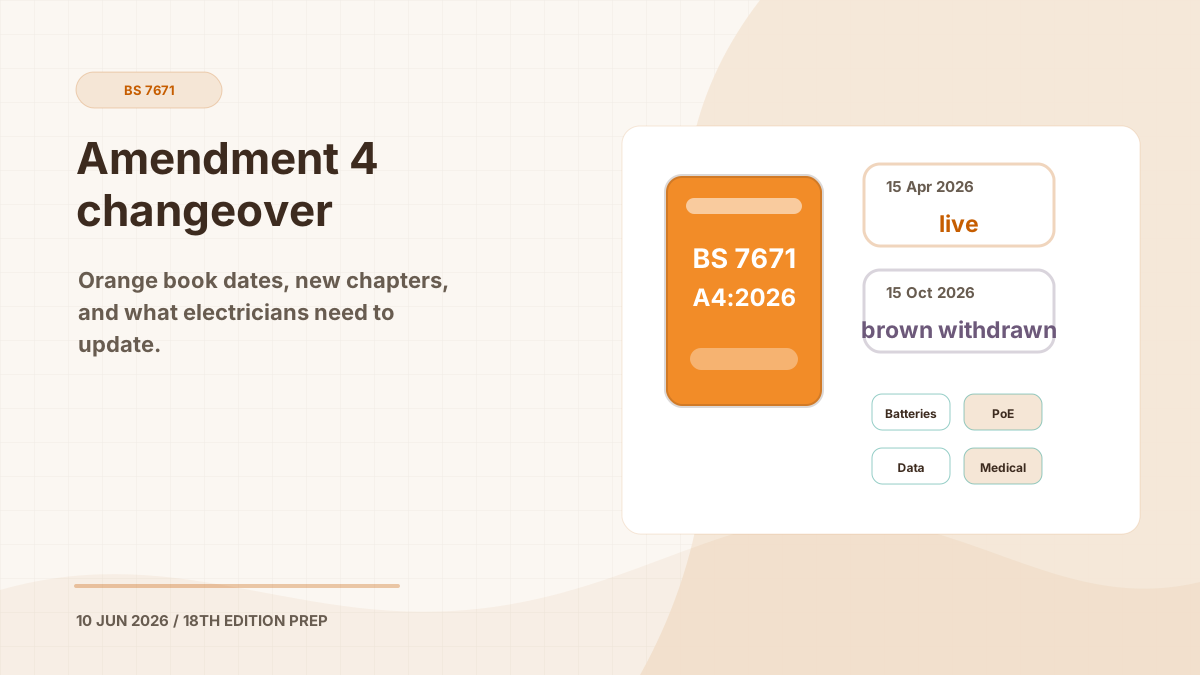
Read more →Amendment 4 (BS 7671:2018+A4:2026): key dates, what's changing, whether you need to resit the 18th Edition exam, and what scheme providers expect.
Read more →How to book the IET Wiring Regulations test — the current City & Guilds 2382-26 exam code, approved centres, remote exams, costs, and documents.
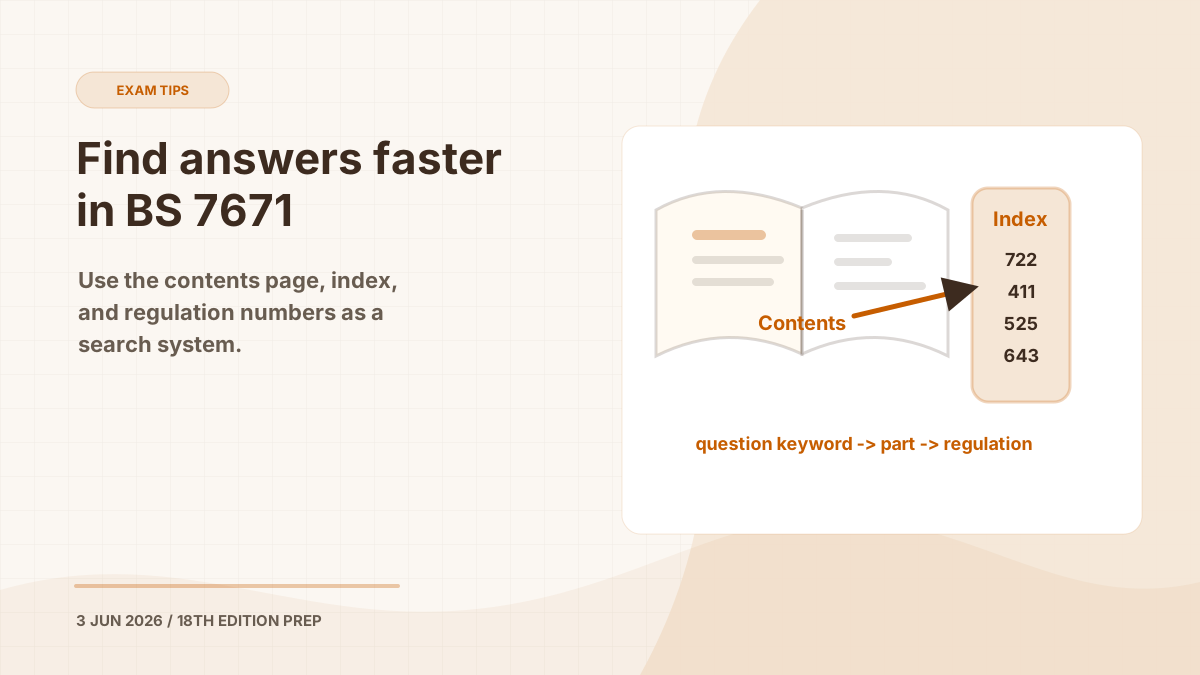
Read more →A method for navigating BS 7671 fast under exam pressure — use the contents page as a map, link part-chapter-reg numbers, and pair it with the index.
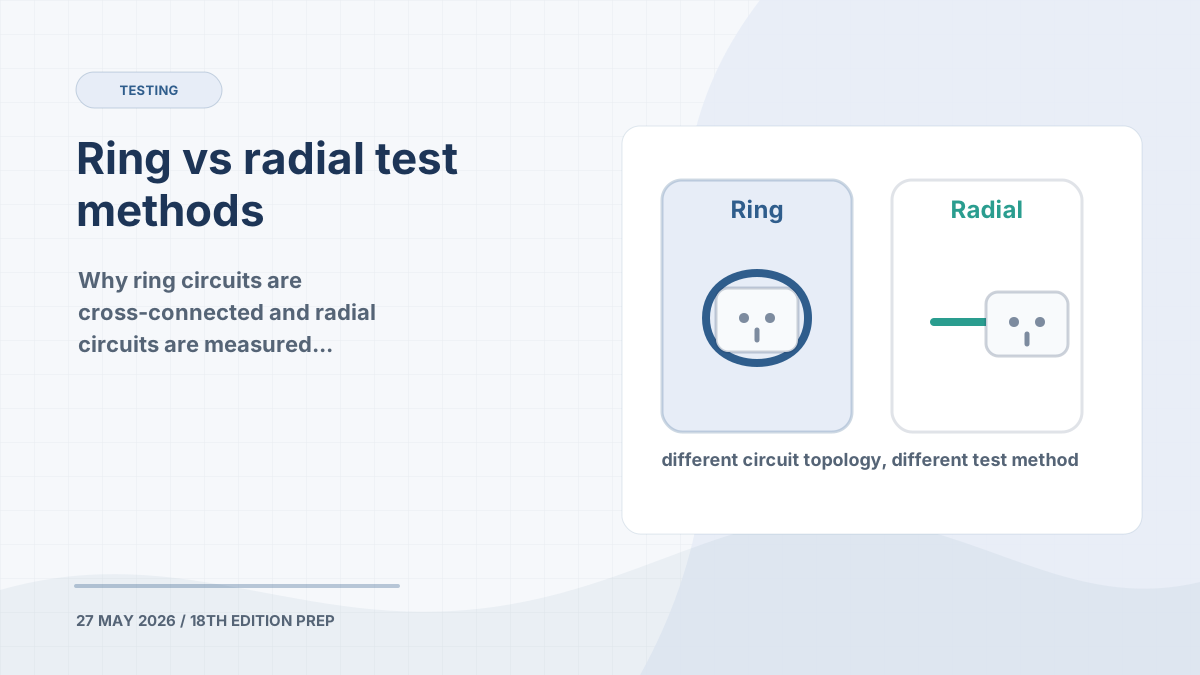
Read more →A practical guide to testing ring and radial circuits for the 18th Edition exam — cross-connection, R1+R2 readings, the MAD formula, and BS 7671 tests.
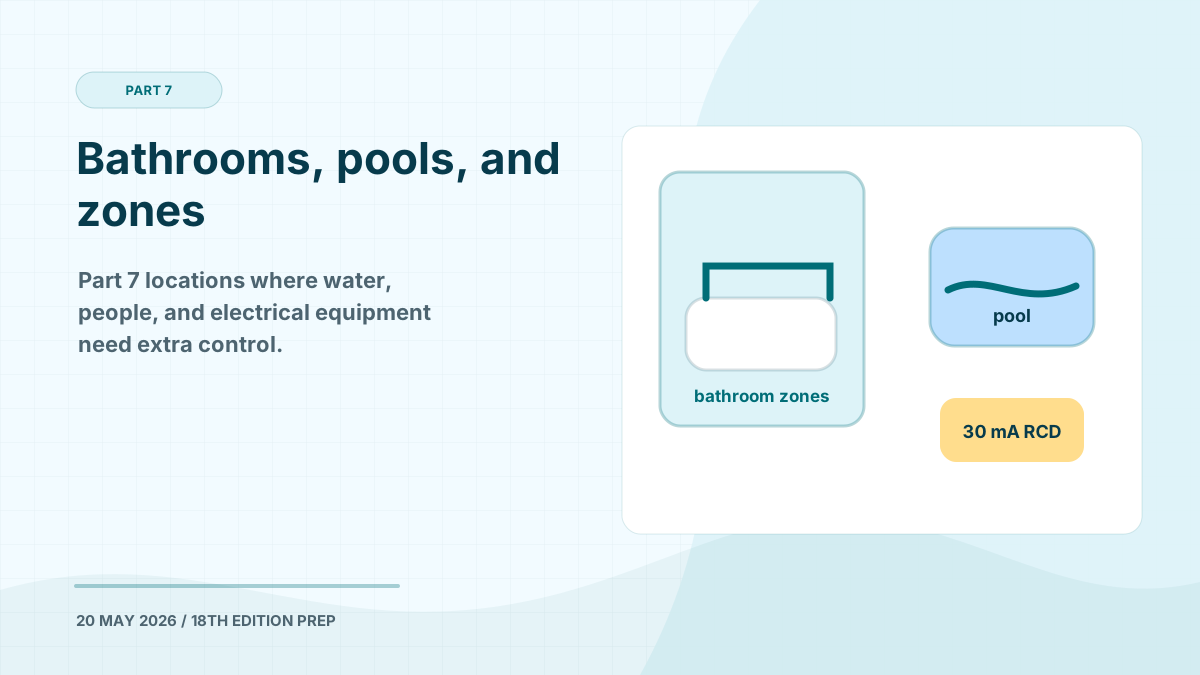
Read more →A guide to Part 7 of BS 7671 — bathrooms, swimming pools, saunas, and construction sites, with the zoning rules and RCD requirements for the exam.
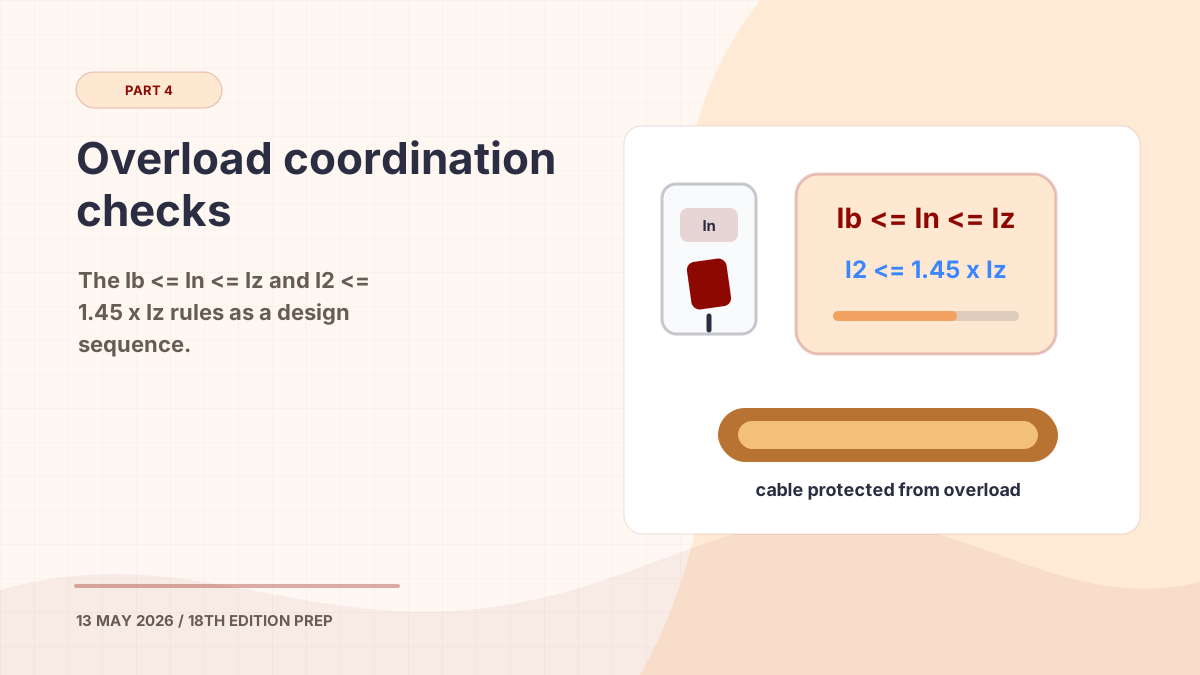
Read more →Revision guide to BS 7671 circuit design and overload protection — the Ib ≤ In ≤ Iz rule, the I2 ≤ 1.45 × Iz check, cable sizing, and voltage drop.
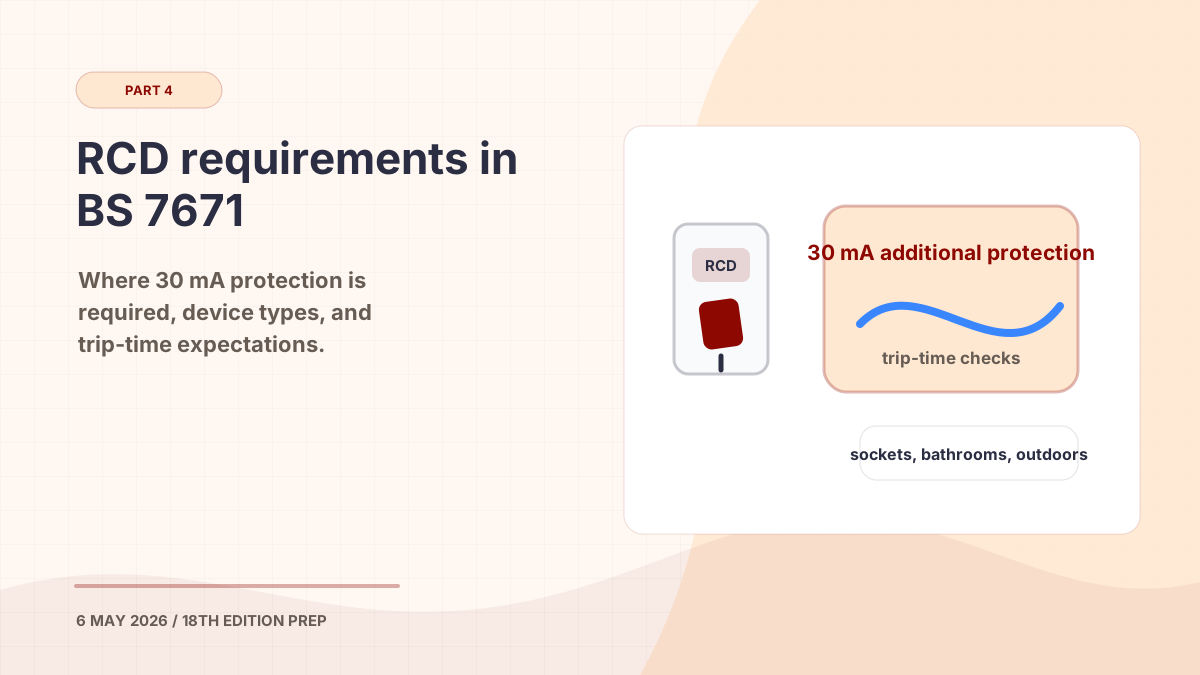
Read more →BS 7671 RCD protection explained: 30 mA requirements, fault versus additional protection, RCD types, trip thresholds, and circuit selection.
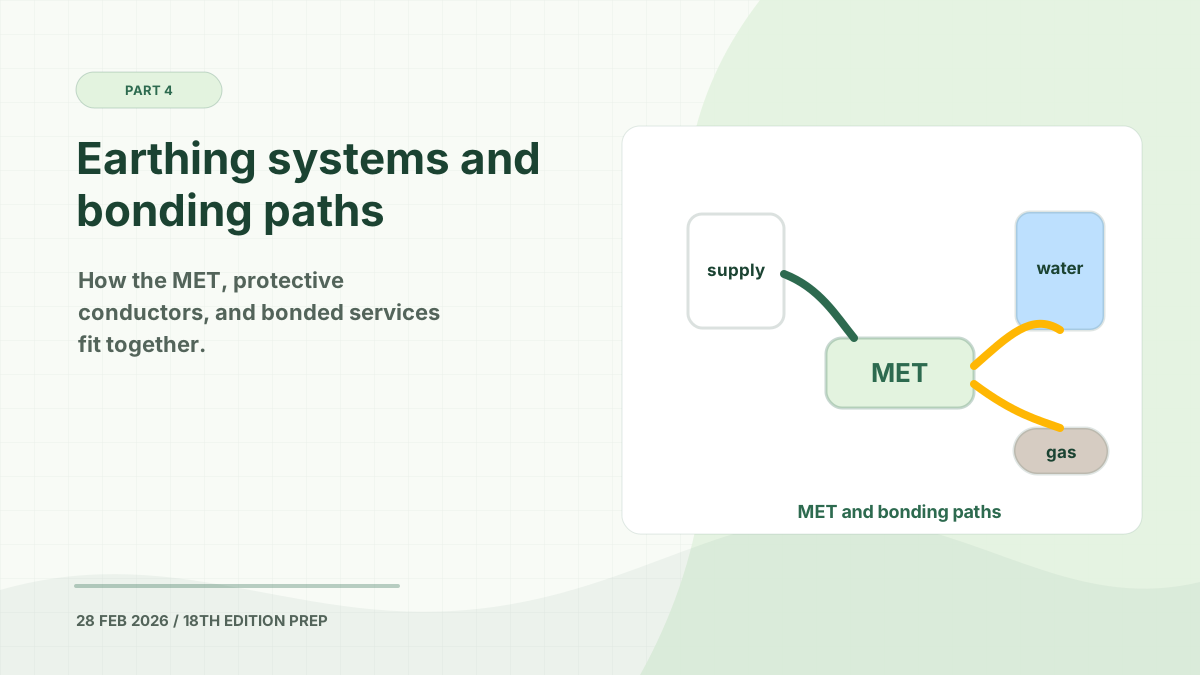
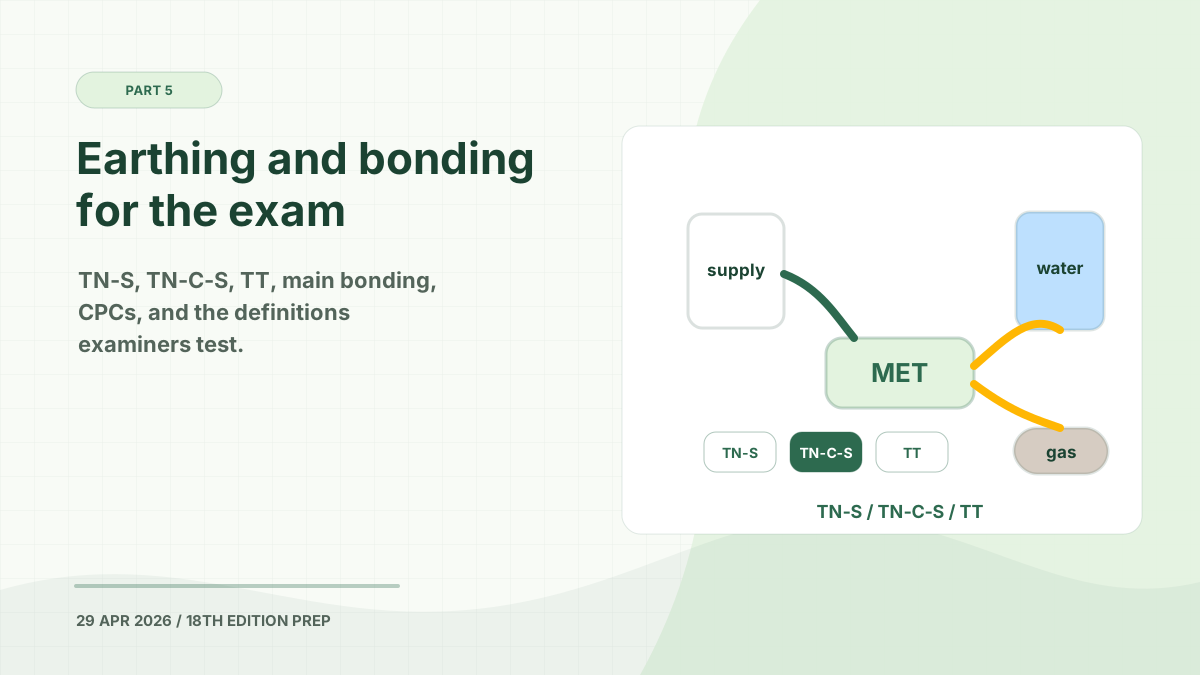
Read more →Master earthing and bonding for the 18th Edition exam — earthing vs bonding, TN-S/TN-C-S/TT systems, main and supplementary bonding, and key regs.
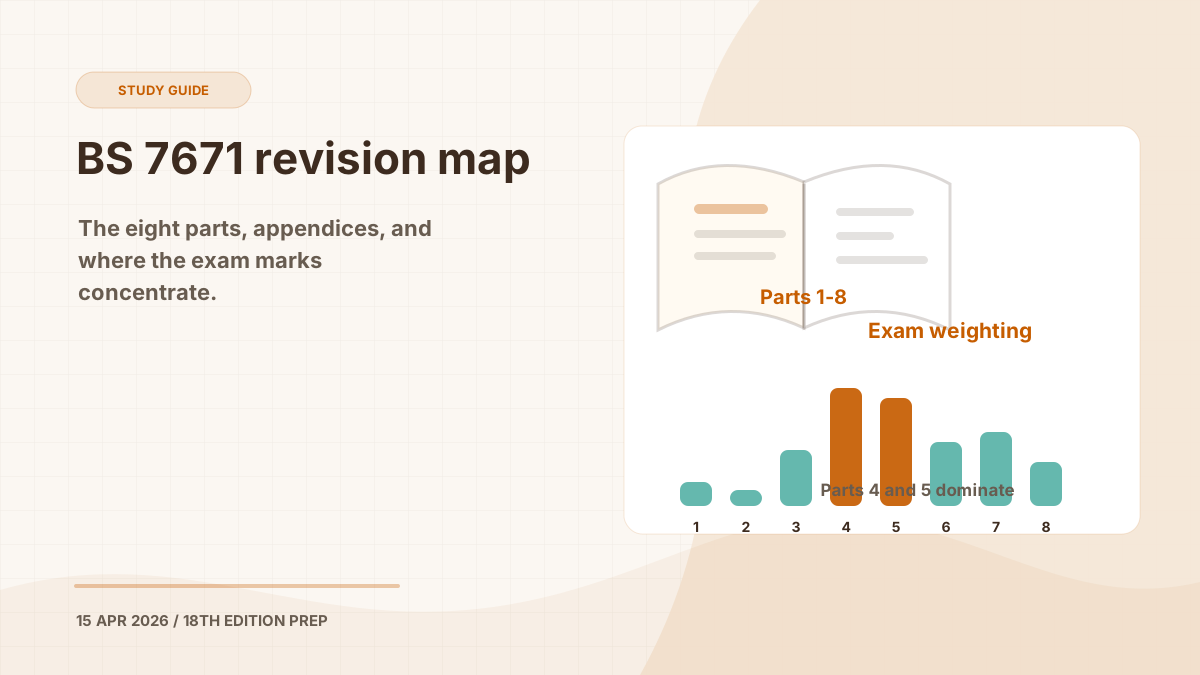
Read more →A structured 2382-26 revision breakdown of every part of BS 7671:2018+A4:2026, showing where to focus for the 18th Edition exam.
Read more →Free BS 7671 practice questions with explained answers for 18th Edition revision, including guidance for the current City & Guilds 2382-26 exam.
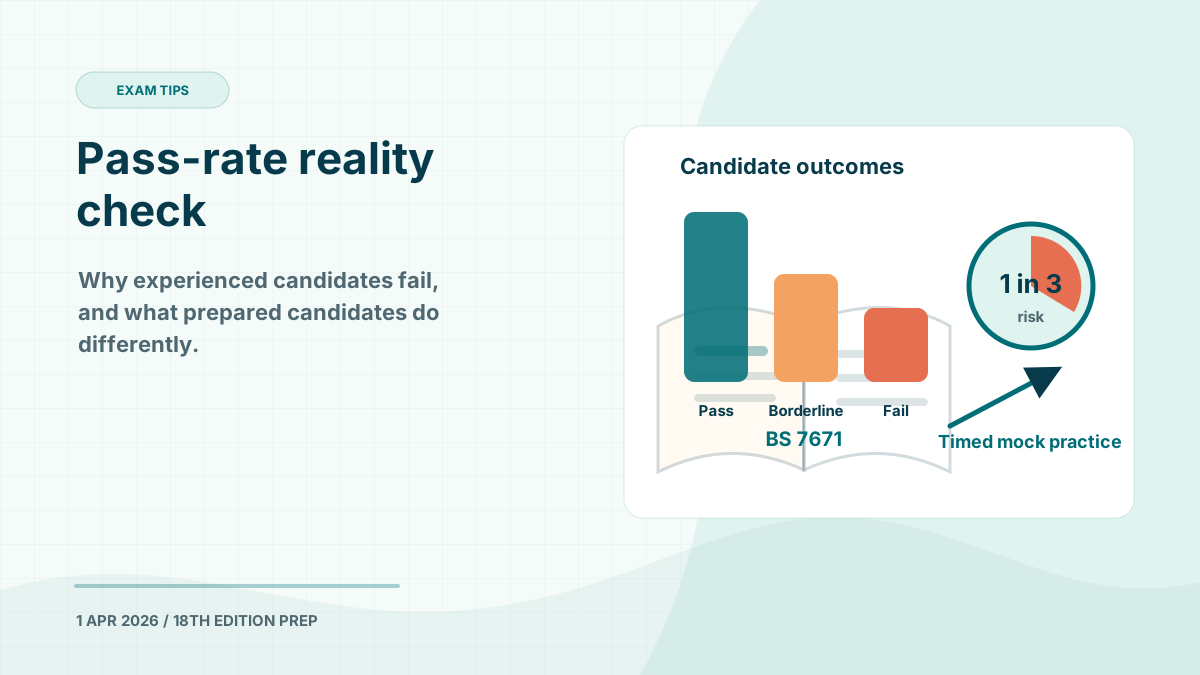
Read more →What is the 18th Edition exam pass rate, why do so many experienced electricians fail, and how to make sure you pass on your first attempt.
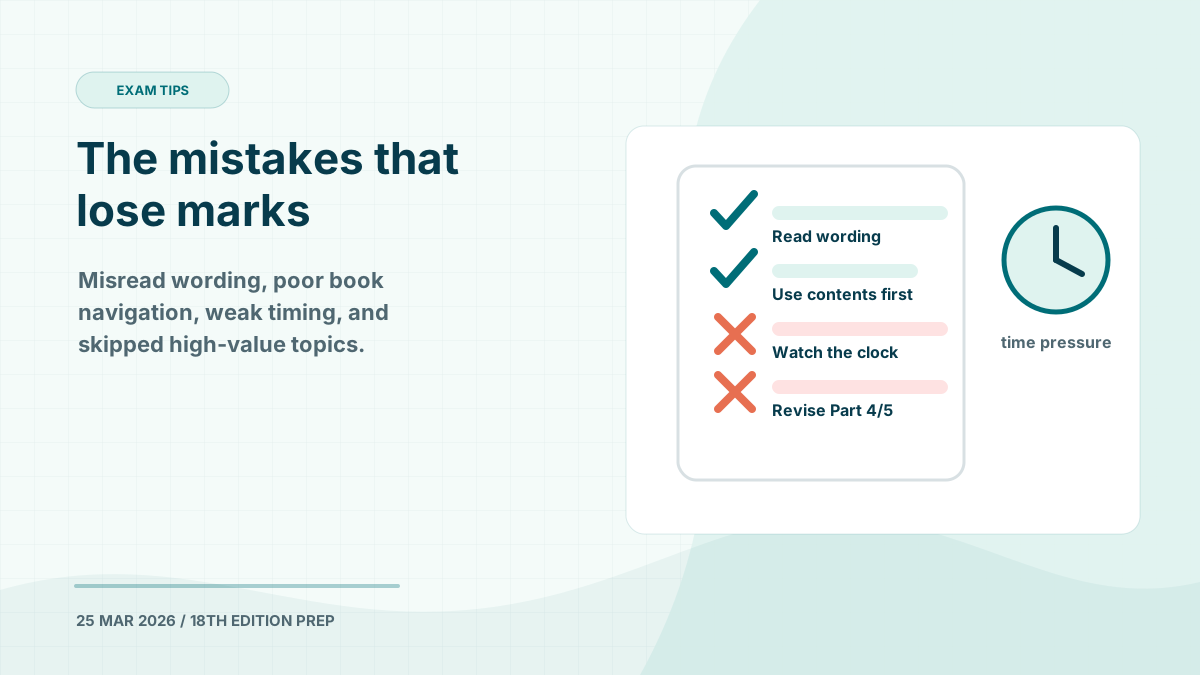
Read more →The top 18th Edition exam mistakes that fail most candidates — misread questions, poor time management, weak book use, and neglected topics, with fixes.
Read more →How long to study for the City & Guilds 2382-26 exam, with realistic Amendment 4 revision plans for electricians, students, and career changers.
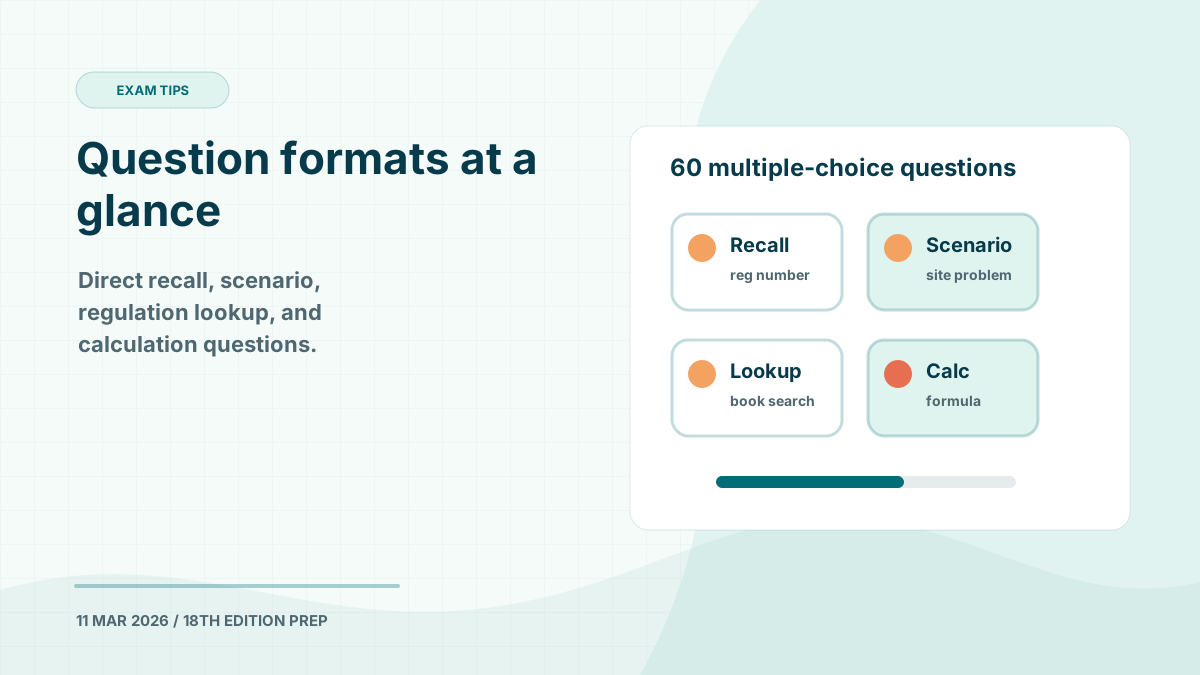
Read more →City & Guilds 2382-26 exam format explained: BS 7671 Amendment 4 question types, timing, pass mark, open-book rules, and preparation tips.
Read more →How to pass the current City & Guilds 2382-26 BS 7671 exam: Amendment 4 book navigation, mock-test practice, study planning, and common pitfalls.
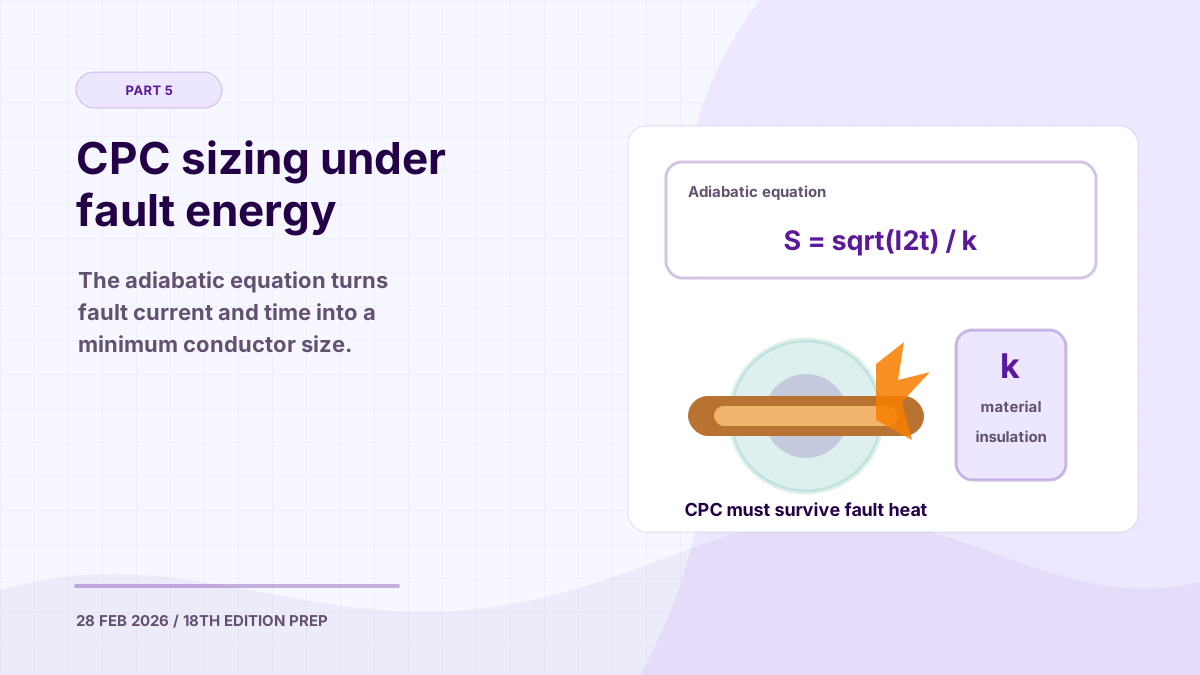
Read more →A clear explanation of the adiabatic equation S = √(I²t) ÷ k from BS 7671 — what it does, when to use it, and a step-by-step worked example for the IET exam.
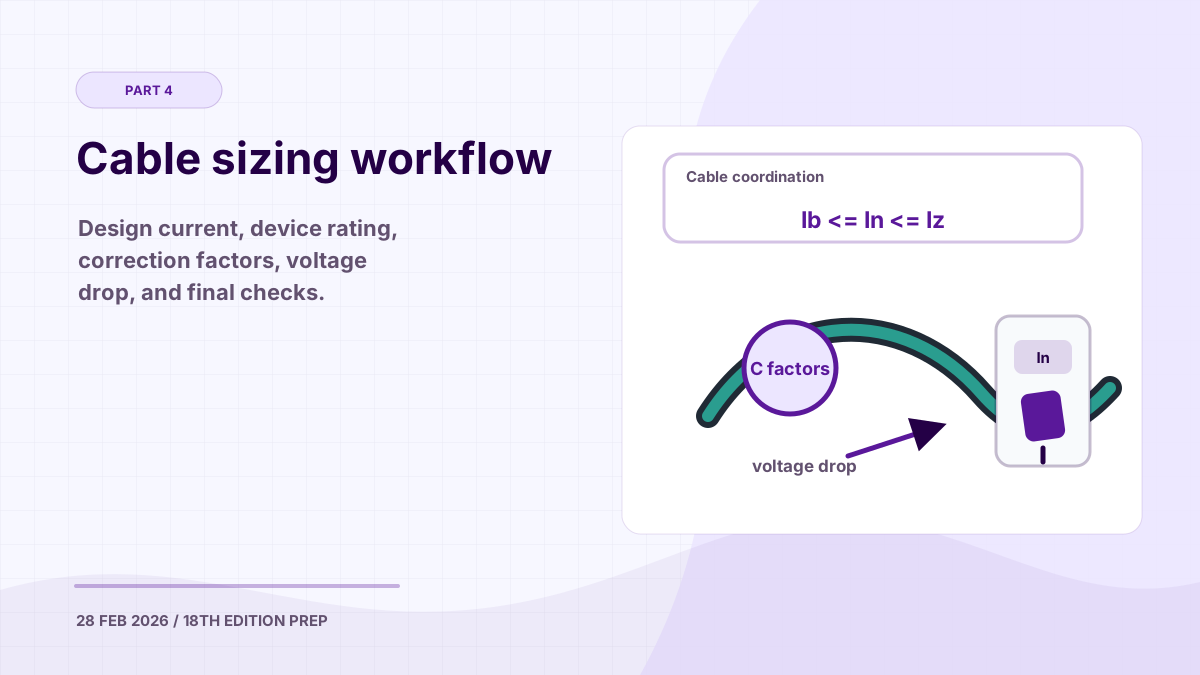
Read more →A step-by-step guide to cable sizing per BS 7671 — design current, protective device selection, correction factors, voltage drop, and Ib ≤ In ≤ It.
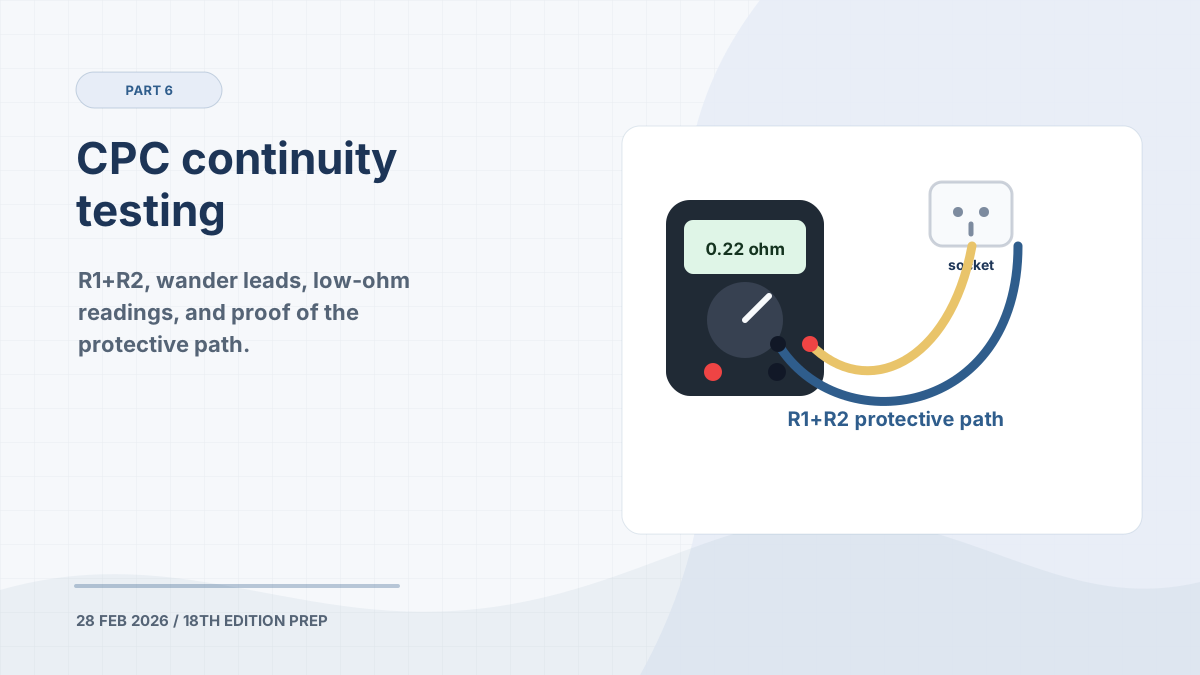
Read more →A practical guide to CPC continuity testing per BS 7671 — the R1+R2 and wander lead methods, expected values, and why it's first in the test sequence.
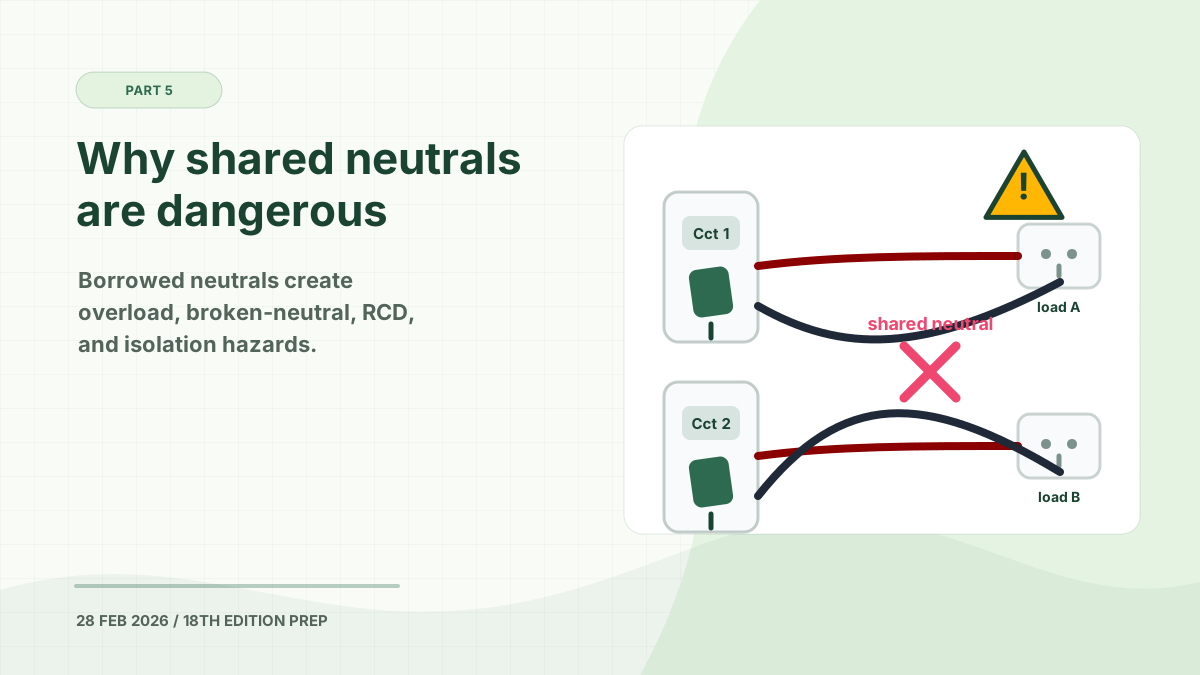
Read more →Why shared neutral conductors are dangerous and prohibited by BS 7671 — overloading, broken neutrals, RCD incompatibility, and isolation failures.
Read more →A guide to electrical earthing and bonding — the three systems (TN-C-S, TN-S, TT), main protective bonding, CPCs, conductor sizes, and BS 7671 regs.
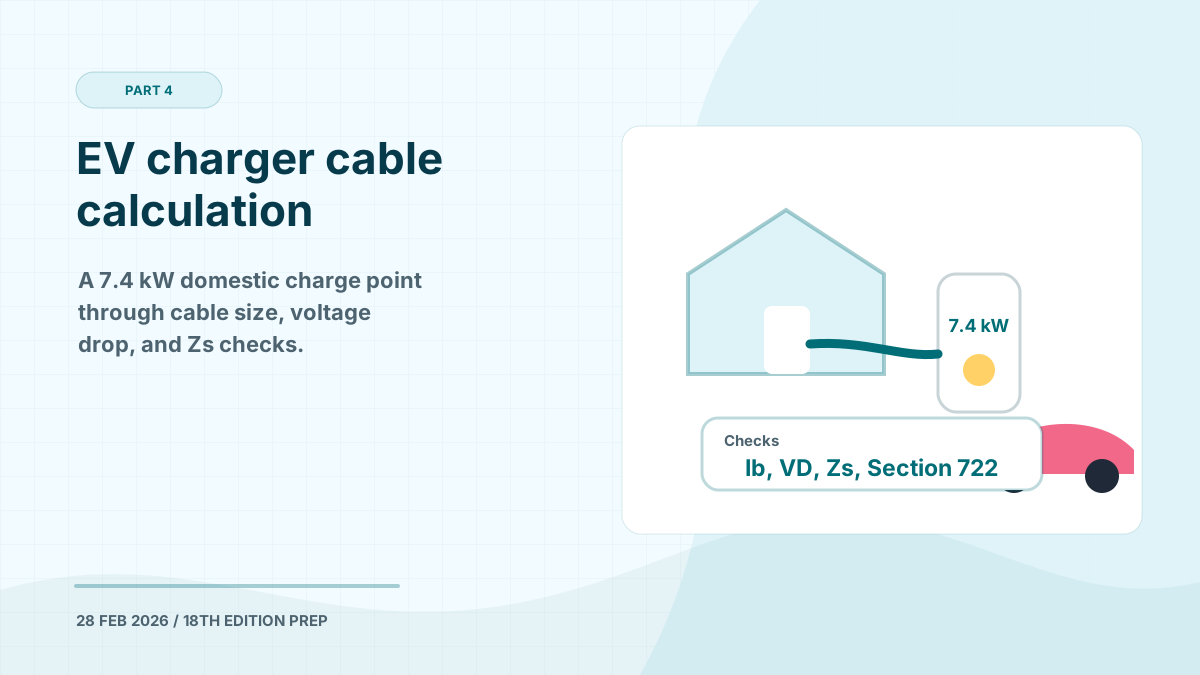
Read more →What cable size does a 7.4 kW EV charger need? Follow a UK BS 7671 worked example covering current, correction factors, voltage drop, and Zs.
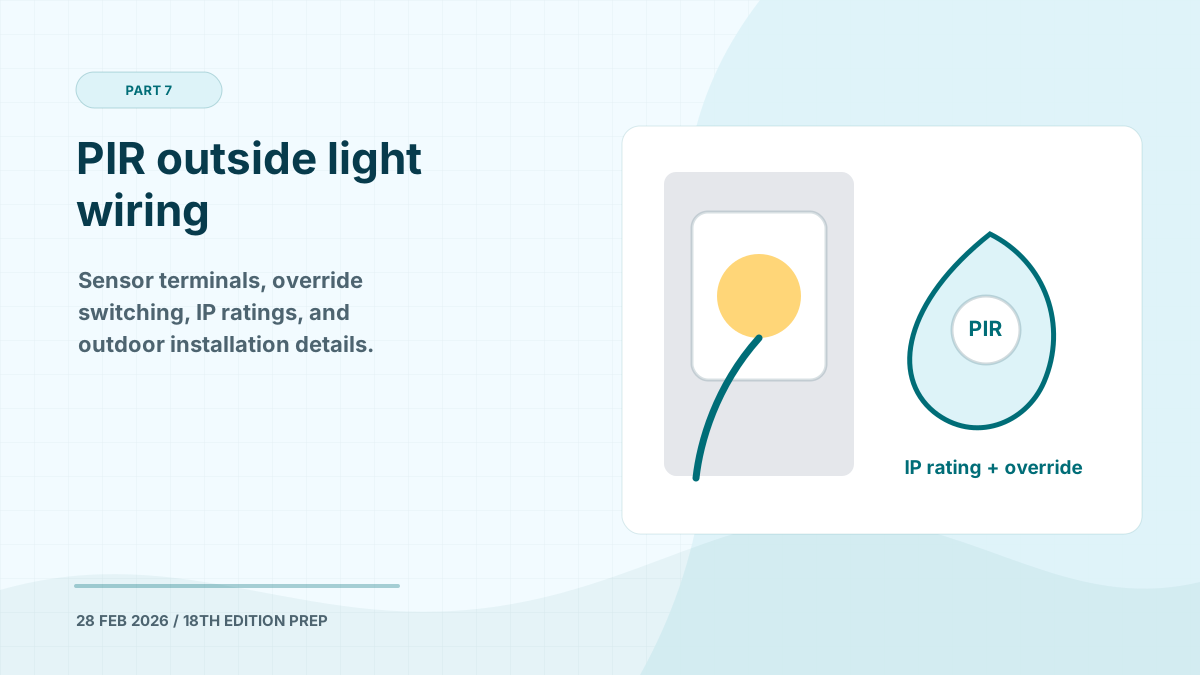
Read more →A practical guide to wiring a PIR motion sensor to an outdoor light — terminal connections, IP ratings, override switches, and the BS 7671 regs.
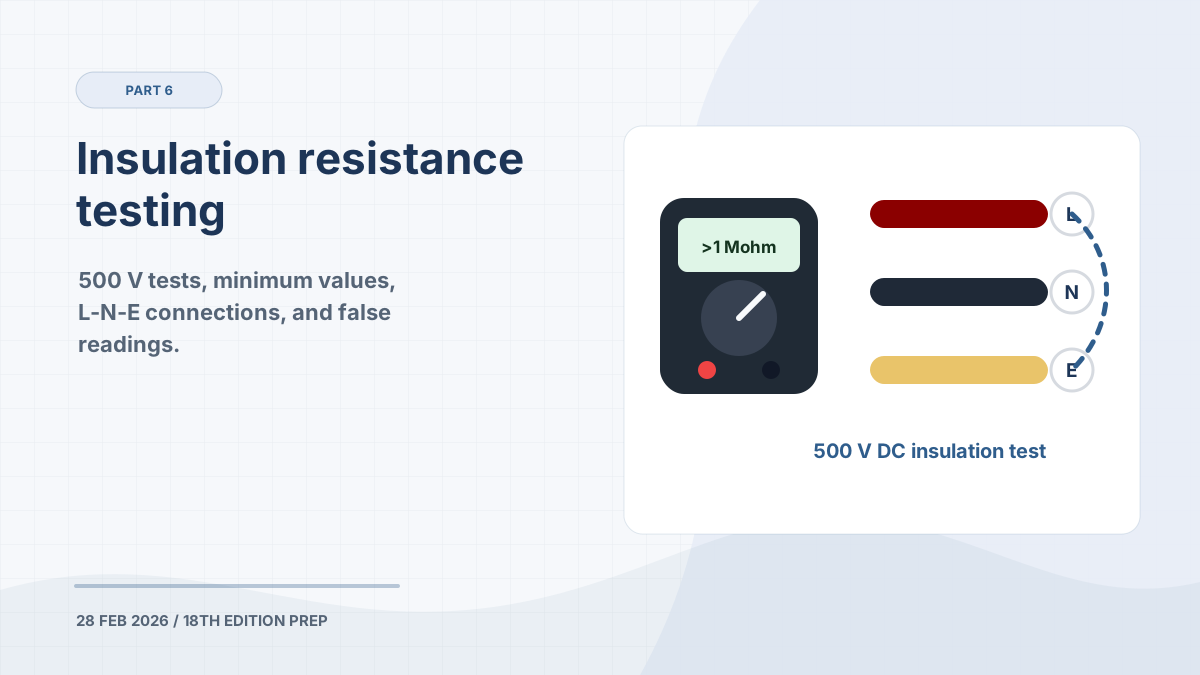
Read more →BS 7671 insulation resistance test procedure, minimum acceptable values, test voltages, conductor combinations, low readings, and troubleshooting.
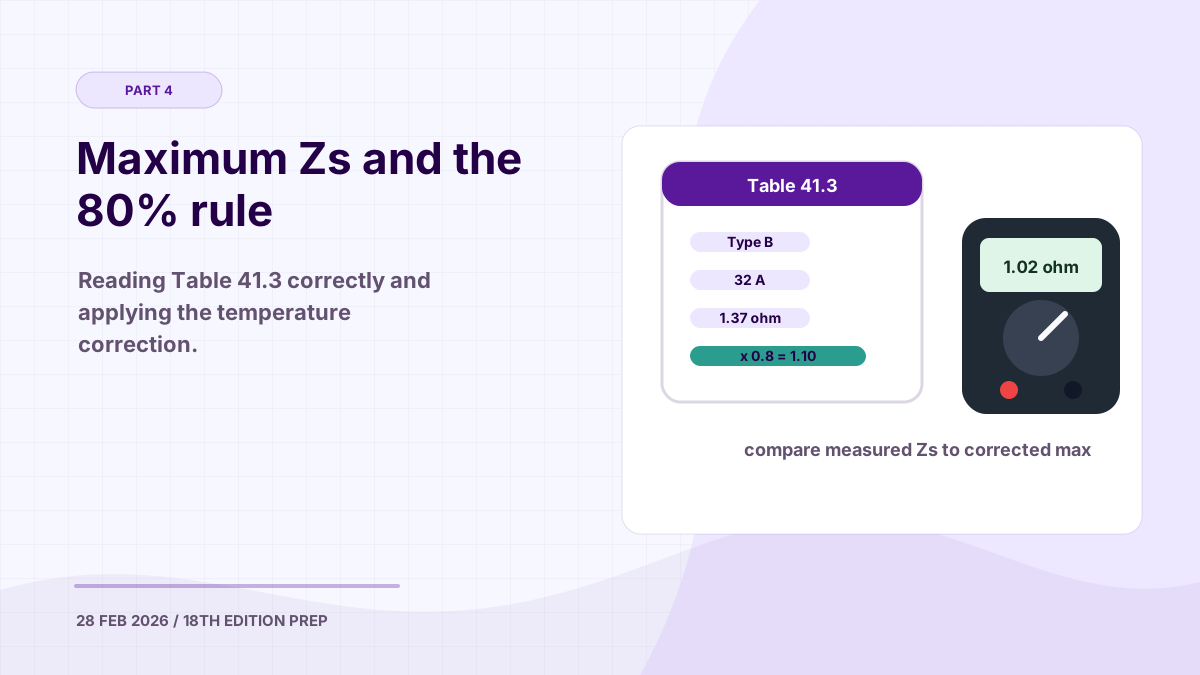
Read more →A guide to maximum earth fault loop impedance and the 80% rule for the IET exam — Table 41.3, why the correction exists, and worked MCB examples.
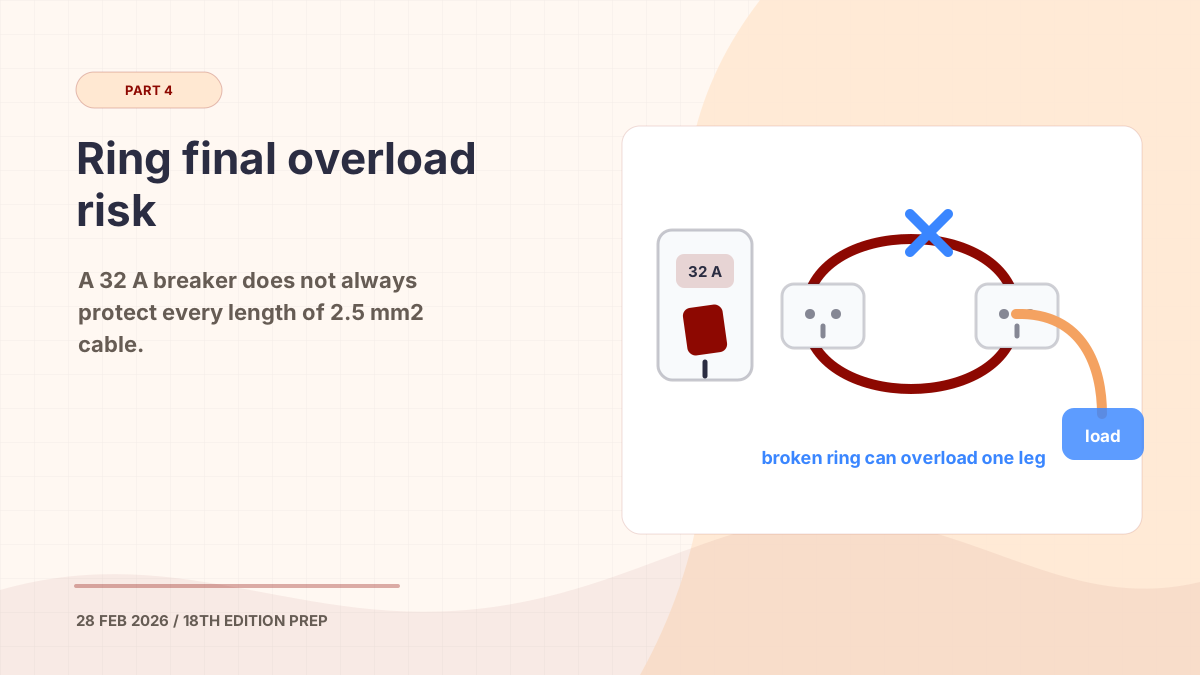
Read more →How ring final circuits share current, what happens when the ring breaks, and why a 32A MCB on 2.5mm² cable doesn't fully protect against overload.
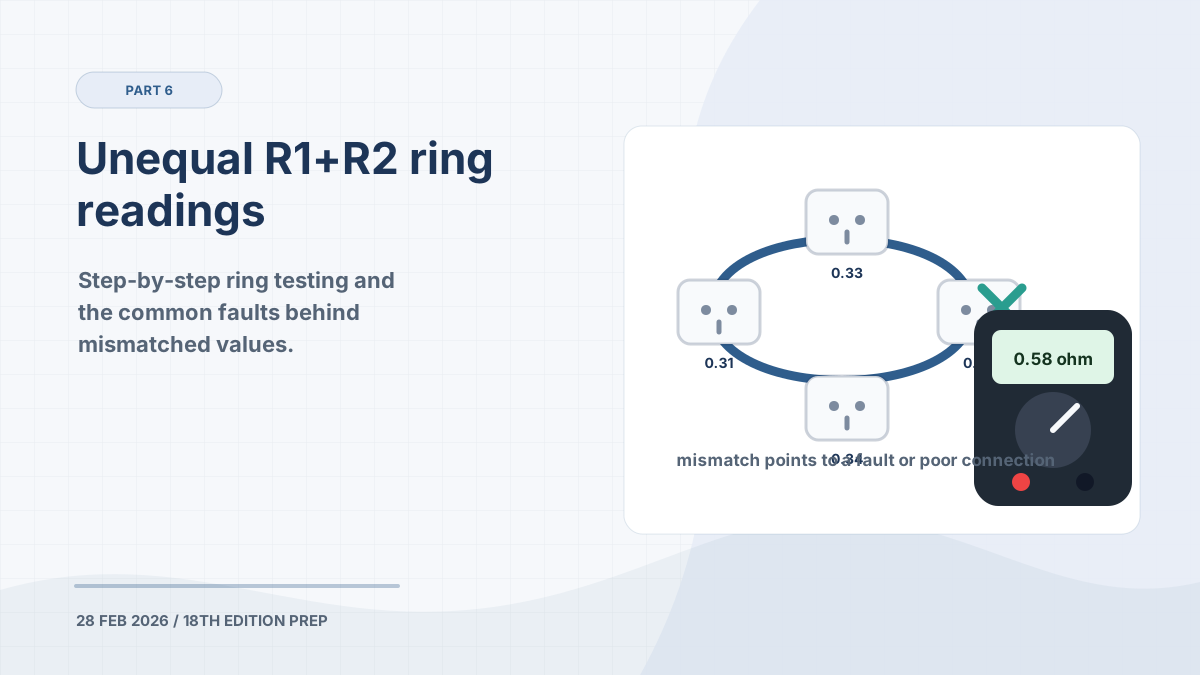
Read more →Getting unequal R1+R2 readings on a ring final circuit? The 3-step test procedure, expected values, and the 5 most common reasons they don't match.
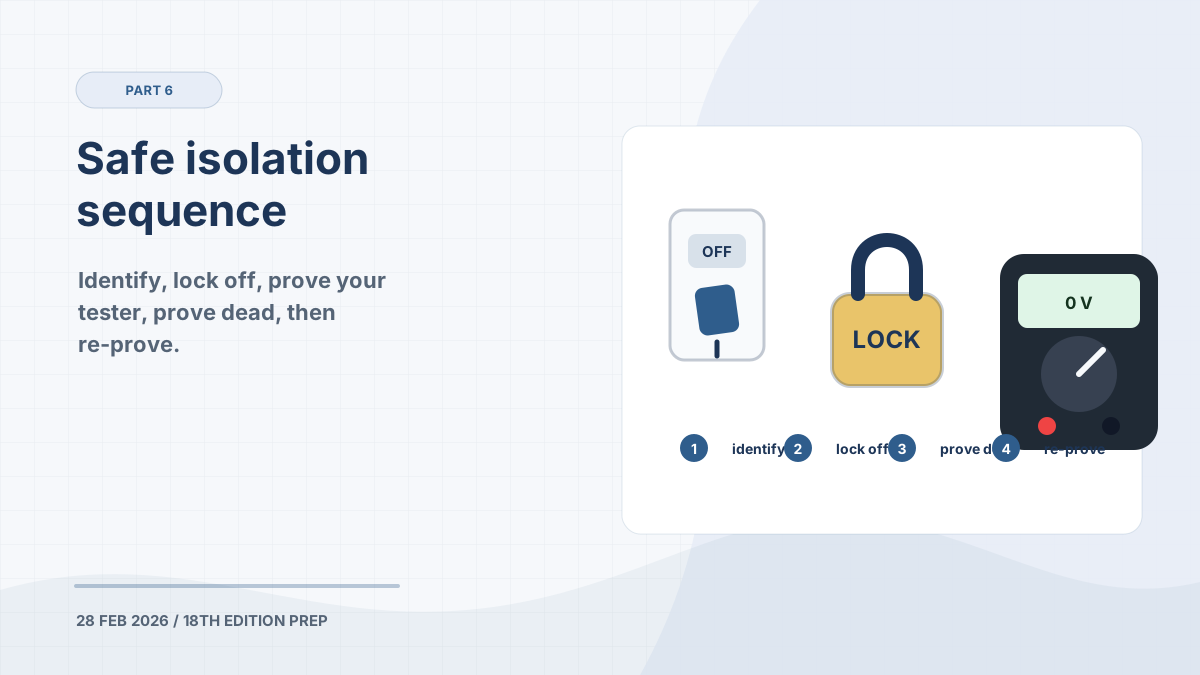
Read more →A complete guide to the safe isolation procedure — the prove-dead process, GS38 test equipment, locking off, warning labels, and the BS 7671 regs.
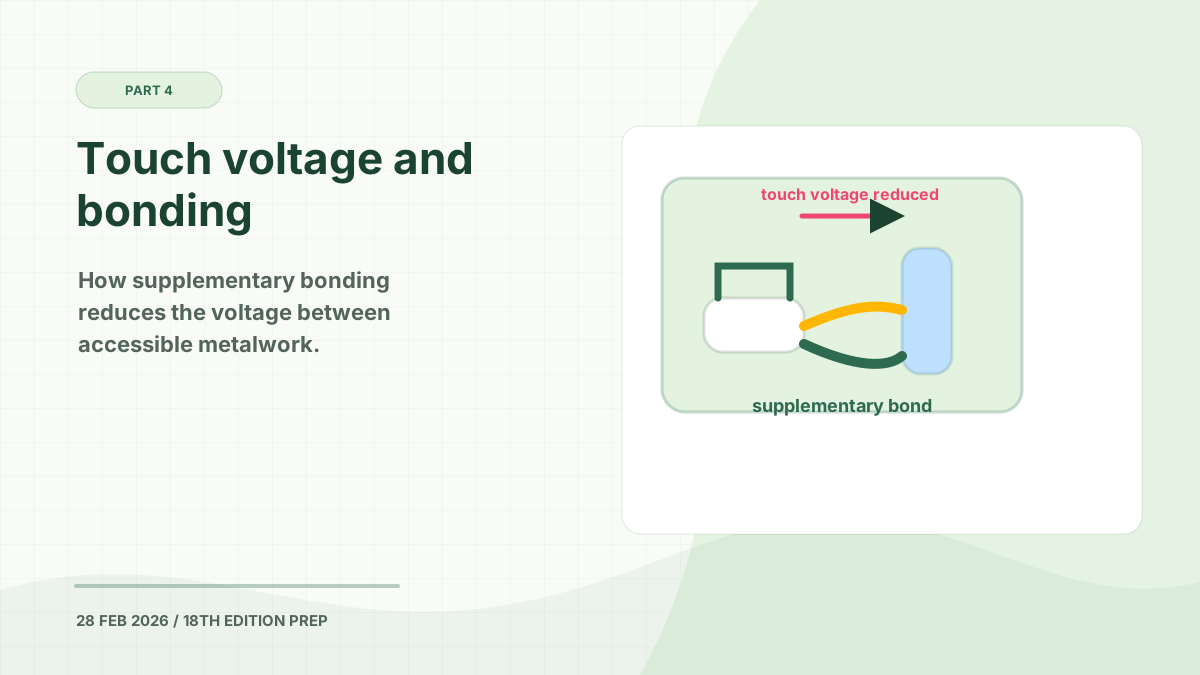
Read more →A practical guide to supplementary equipotential bonding under BS 7671 — touch voltage, when it's required, conductor sizes, and bathroom bonding rules.
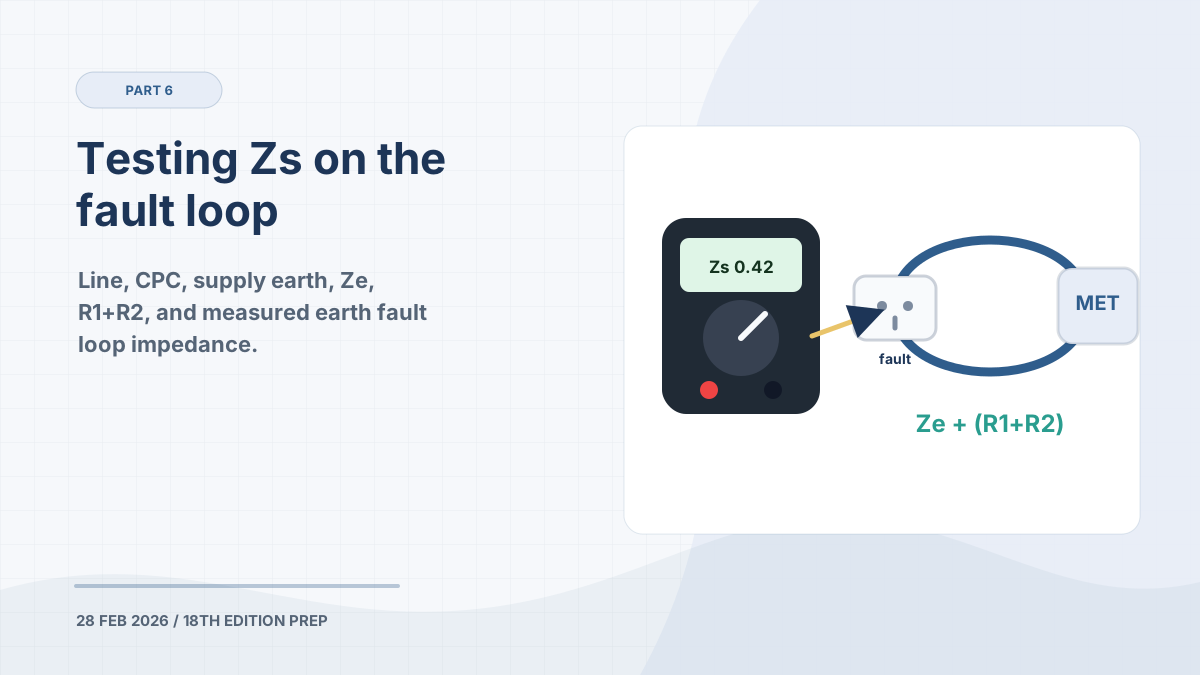
Read more →How to carry out a Zs test, use the Zs = Ze + (R1+R2) formula, interpret readings, and check maximum permitted values against BS 7671.
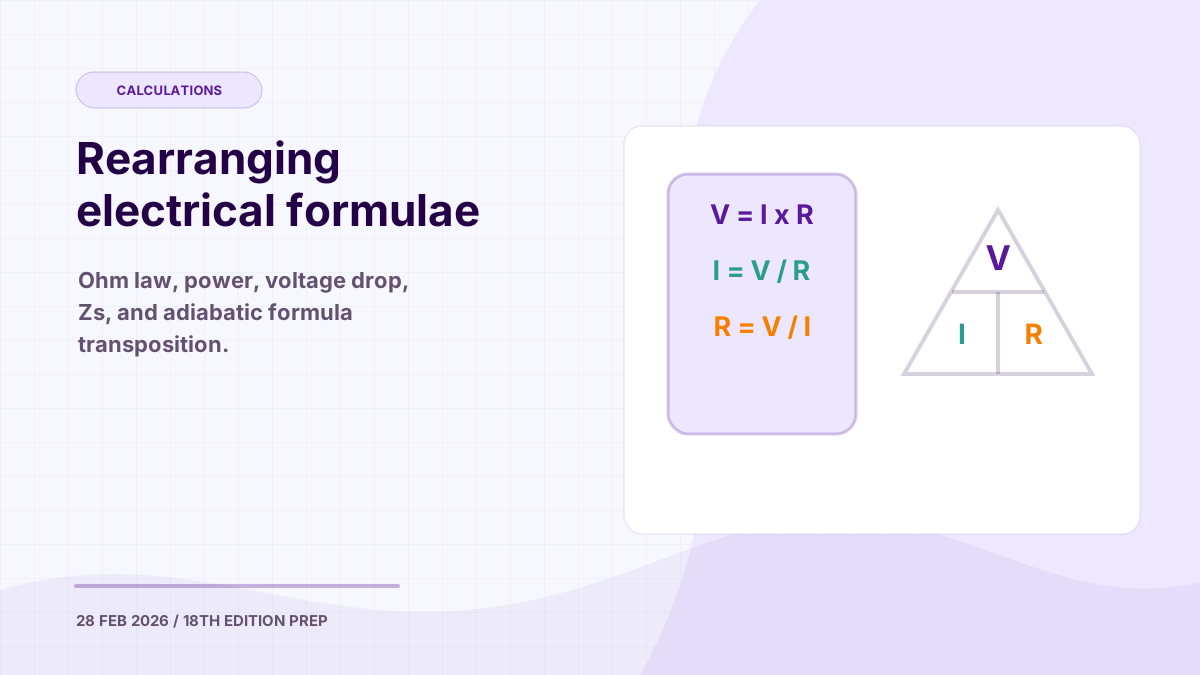
Read more →A practical guide to rearranging electrical formulae for the IET exam — Ohm's law, power, Zs, voltage drop, and the adiabatic equation, with examples.
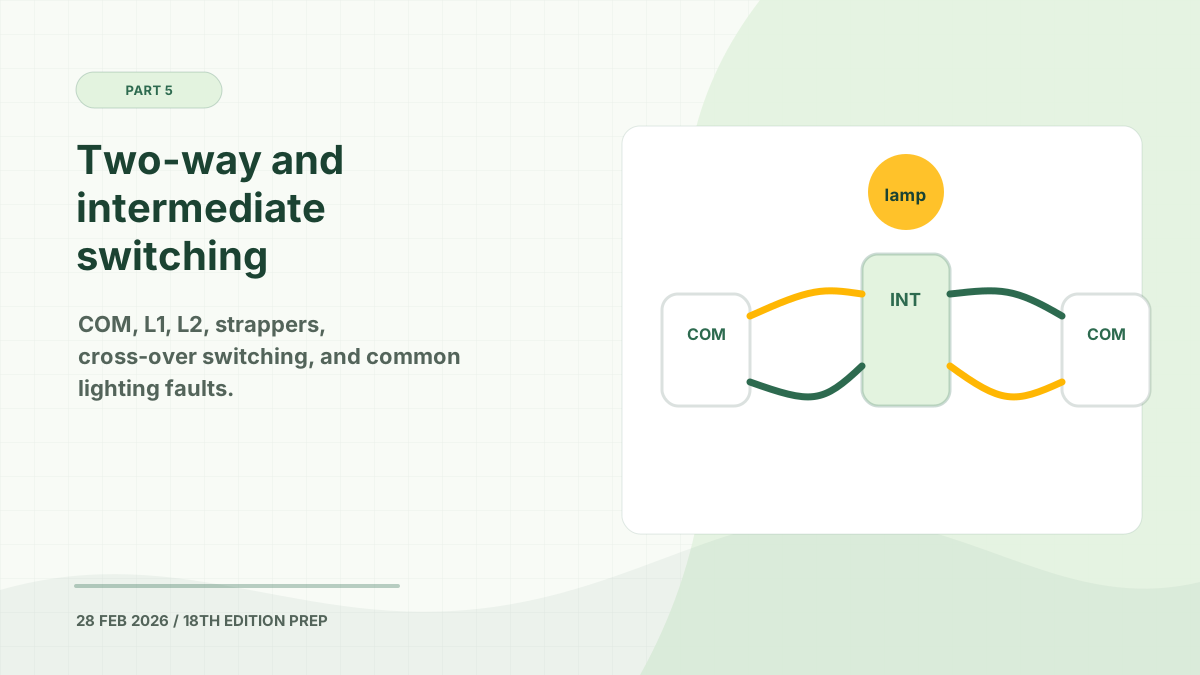
Read more →A clear guide to two-way and intermediate lighting switching for the IET exam — strappers, cross-over switches, terminal markings, and common faults.
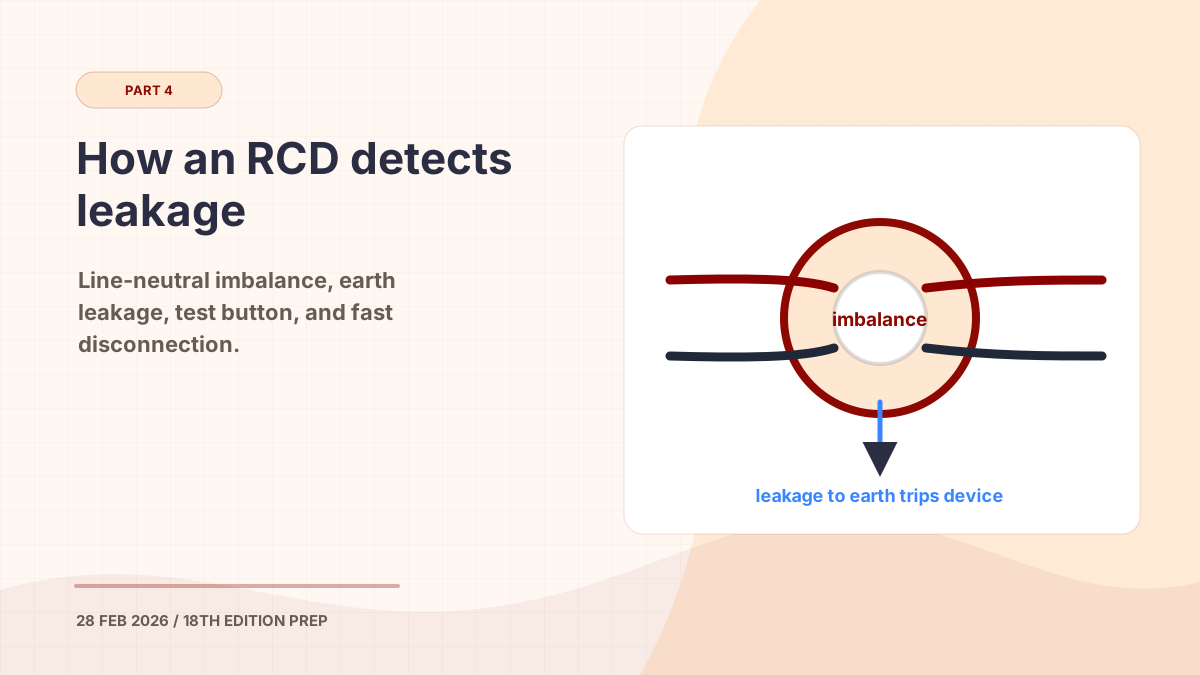
Read more →A complete guide to Residual Current Devices (RCDs) for the IET exam — how they detect faults, RCCB vs RCBO, where 30mA is required, and testing.
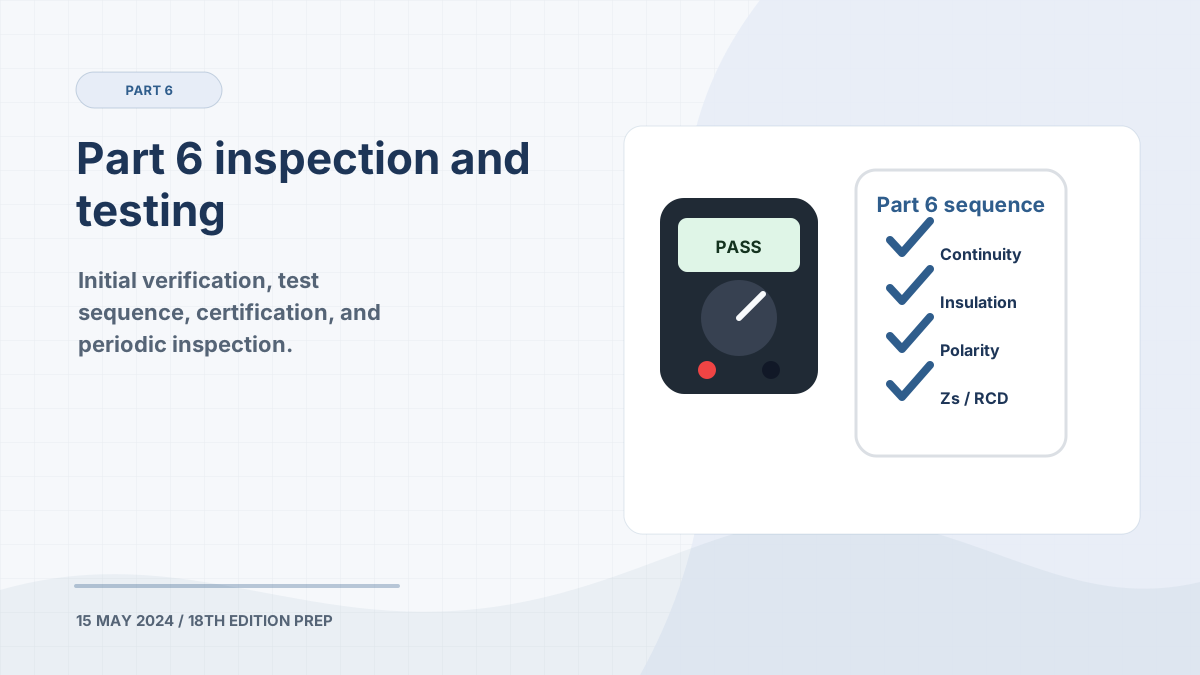
Read more →A study guide for Part 6 of BS 7671 covering initial verification, periodic inspection, and testing procedures for electrical installations.
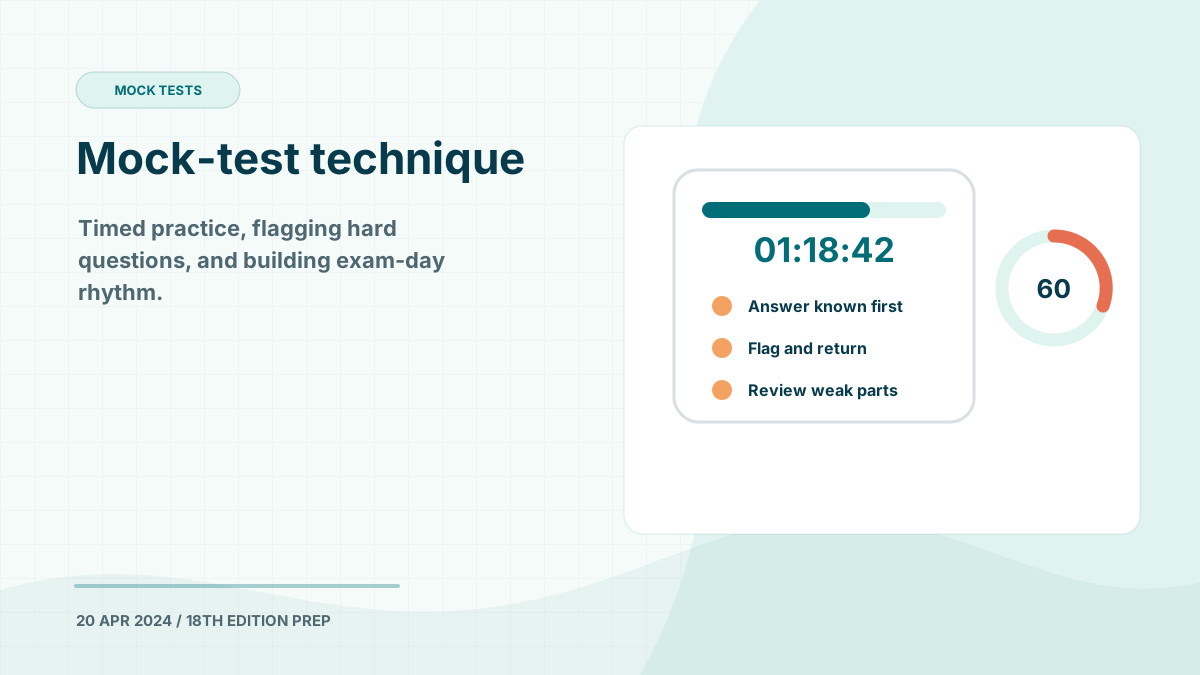
Read more →Proven strategies and tips for taking the IET Wiring Regulations mock tests. Learn how to manage time, avoid common mistakes, and maximise your score.
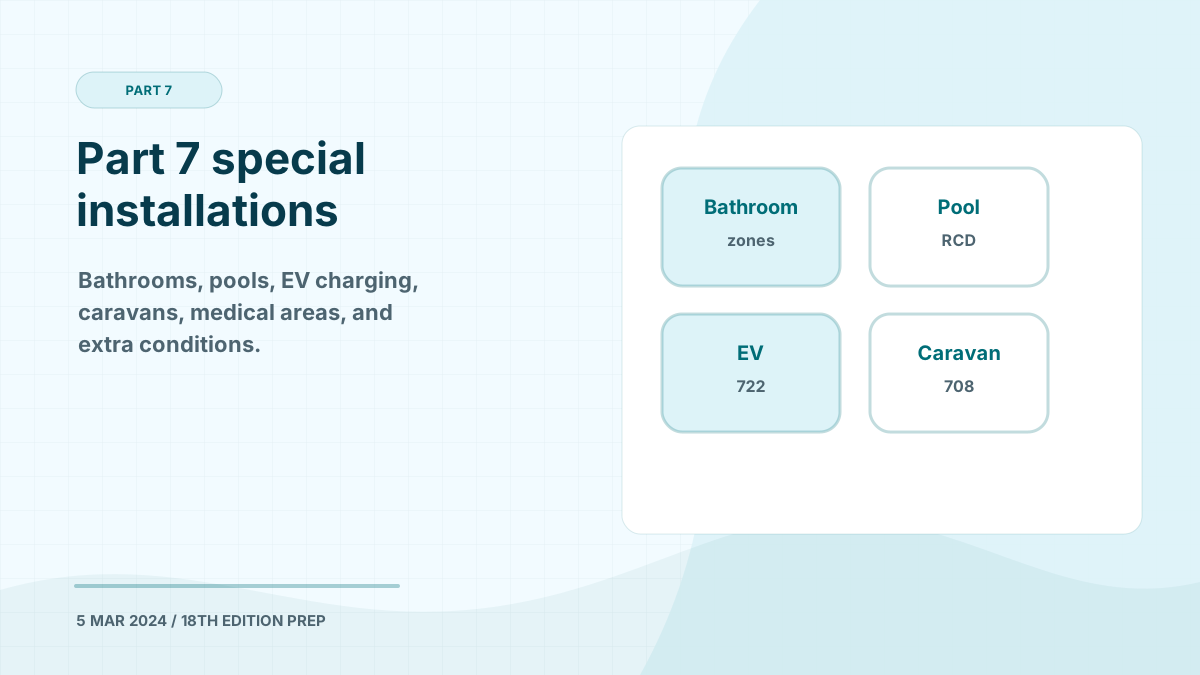
Read more →Everything you need to know about Part 7 of BS 7671 covering special installations including bathrooms, swimming pools, construction sites, and more.
Read more →A deep dive into Part 4 of the IET Wiring Regulations covering protection against electric shock, thermal effects, overcurrent, and more.
Read more →A comprehensive guide to preparing for the IET Wiring Regulations exam. Learn about the exam structure, key topics, and effective study strategies.
Read more →